

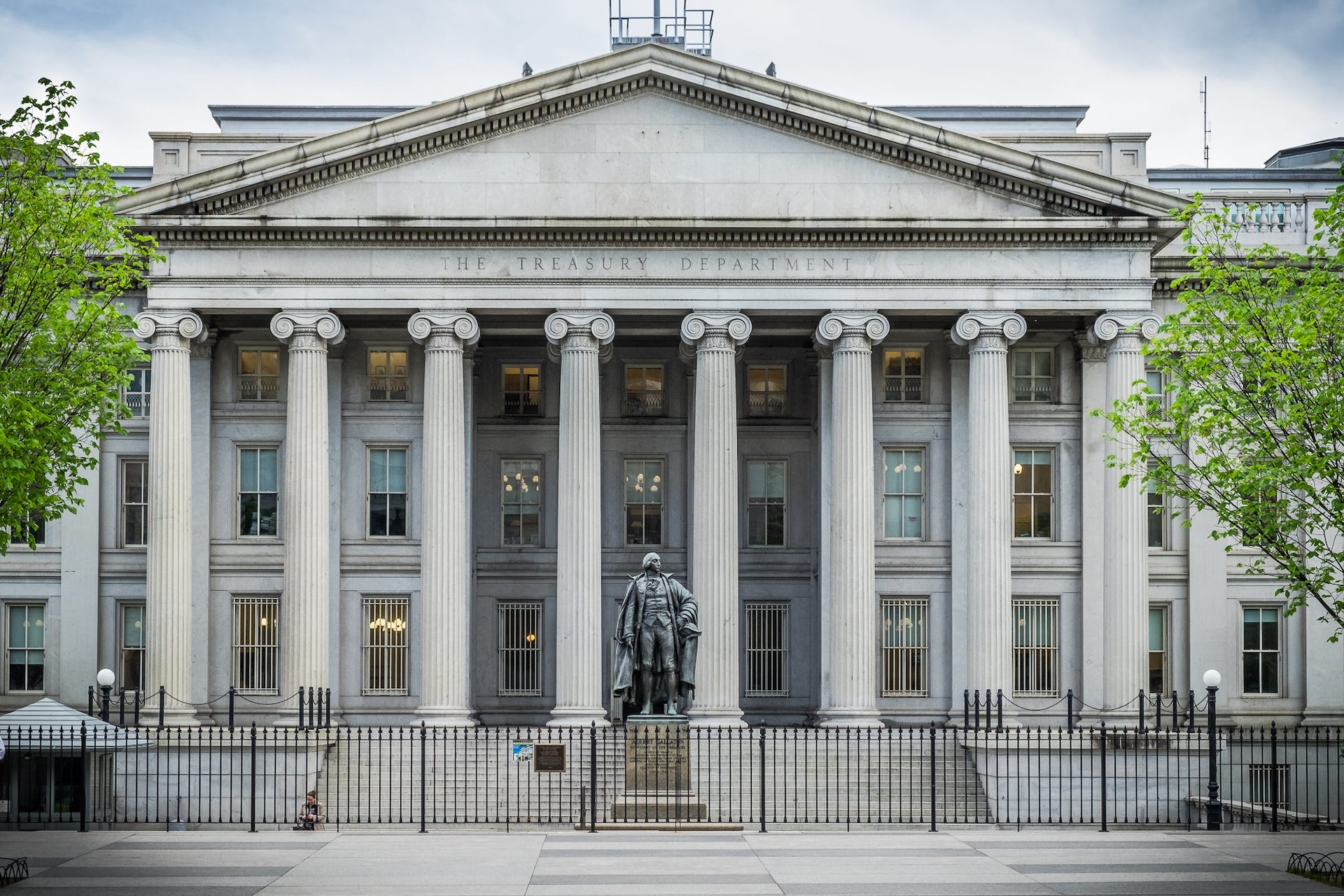
Today on Rufo & Lomez, I’ll be conducting an exclusive interview with the Treasury Secretary of the United States, Scott Bessent, who’s here in Minneapolis, Minnesota, to announce an all-government campaign to crack down on the Somali fraud rings. We’ll be talking about exactly how these schemes work, what we can hope for in the future, and some new economic numbers.
The following is an edited transcript for paid subscribers. Sign up now for premium access.
Rufo: We’re here in the Land of 10,000 Lakes, now known as the Land of 10,000 Frauds. Tell us a little bit about what you’ve uncovered about Somali fraud and some of the new policies that you’ve announced to try to combat it.
Bessent: Thanks for having me, and thanks for breaking the story, because it’s clearly something that’s been going on and suppressed for so long. You can see that the people of Minnesota have been carrying this burden, and they almost seem relieved. What we found are two things, really—three. One, as you reported, this waste, fraud, and abuse in the system is bigger than anyone thought, and we’ll see where that goes. Two, the leakage—how does this money get out of the country? If you are on public assistance and you are sending money out of the country, one of two things must be true: you are getting too much assistance because you have excess funds to feed yourself and your family, or you’ve got stolen money that you’re sending out. In either case, money needs to stay in the U.S., or your benefits need to be cut. Three, how can we use the investigations in Minnesota as a model for what’s happened and push it out to the other 49 states? Because Minnesota is likely the most egregious—maybe not; we’ll see. I have an open mind. But the scale, just because of this population size—California, Illinois, New York—what’s going on here is a microcosm of what’s going on there. And it’s like someone on the panel said today: benefits have been turned into businesses. It is a cottage industry of teaching people how to form multiple LLCs, how to game the system, and how to move money around. We’ll see where the money goes. I’m here because what Treasury does is follow the money. We follow the money, and we have done it with the mafia, where we’re able to take them down, Mexican drug cartels, and now these Somali fraudsters. We can always do it. We’ll see what kind of recoveries we can get for the American people.
Rufo: I think one of the things that I’ve learned in doing the reporting and then talking to a lot of the Minnesota officials is that different parts of this story have been bubbling up for 10 years. It was really an open secret in this state that the Somali community, which represents about 1% of the state population, had an enormous share—some estimate up to 90%—of these fraud schemes. They relied on two things: they relied on Minnesota Nice, and they relied on the fear that many politicians had of saying something that was perceived as uncharitable toward a minority group, or the fear of being called racist. Now that has blown open. What do you think the right attitude should be as you look at these frauds moving forward?
Bessent: I think you’re too old to remember this TV show. There’s something called Dragnet, with the detective Jack Friday, who would say, “Just the facts, ma’am.” He would go into a case, and somebody would start yammering; he would always say, “Just the facts.” All we want are the facts. Whether it’s the local newspaper, the Star Tribune, which has been trying to suppress the facts—I’m told that a member of Governor Walz’s staff is the publisher of that local media and hasn’t wanted to address this. Clearly, the governor’s office does not want to conduct investigations. So we just want the facts. We want to see where they lead, and we want to put the bad guys in jail. This is all about incentives. One of the other problems—the third problem—are the incentives. You can steal hundreds of thousands, millions of dollars, and under Minnesota laws, you might not even get jail time. You might get a series of goals. So what’s the incentive? You might have a bad file down at the courthouse, but you have $10 million in the bank. Plenty of people would take that incentive all day. However, I can tell you that we have the ability to bring in IRS enforcement, and they don’t monkey around. So the incentive is going to be to stop this.
Rufo: That’s right. The story that I think is the next part of this narrative is that everyone knows now about Somali fraud—it’s up into the billions of dollars. Some of it is going overseas, but the Minnesota Democratic political class, from the governor on down, appears to have, at a minimum, turned a blind eye. There are rumors circulating around this building right now that, in fact, some have been complicit in these schemes. Is that something your office is looking into, and what can you tell us?
