

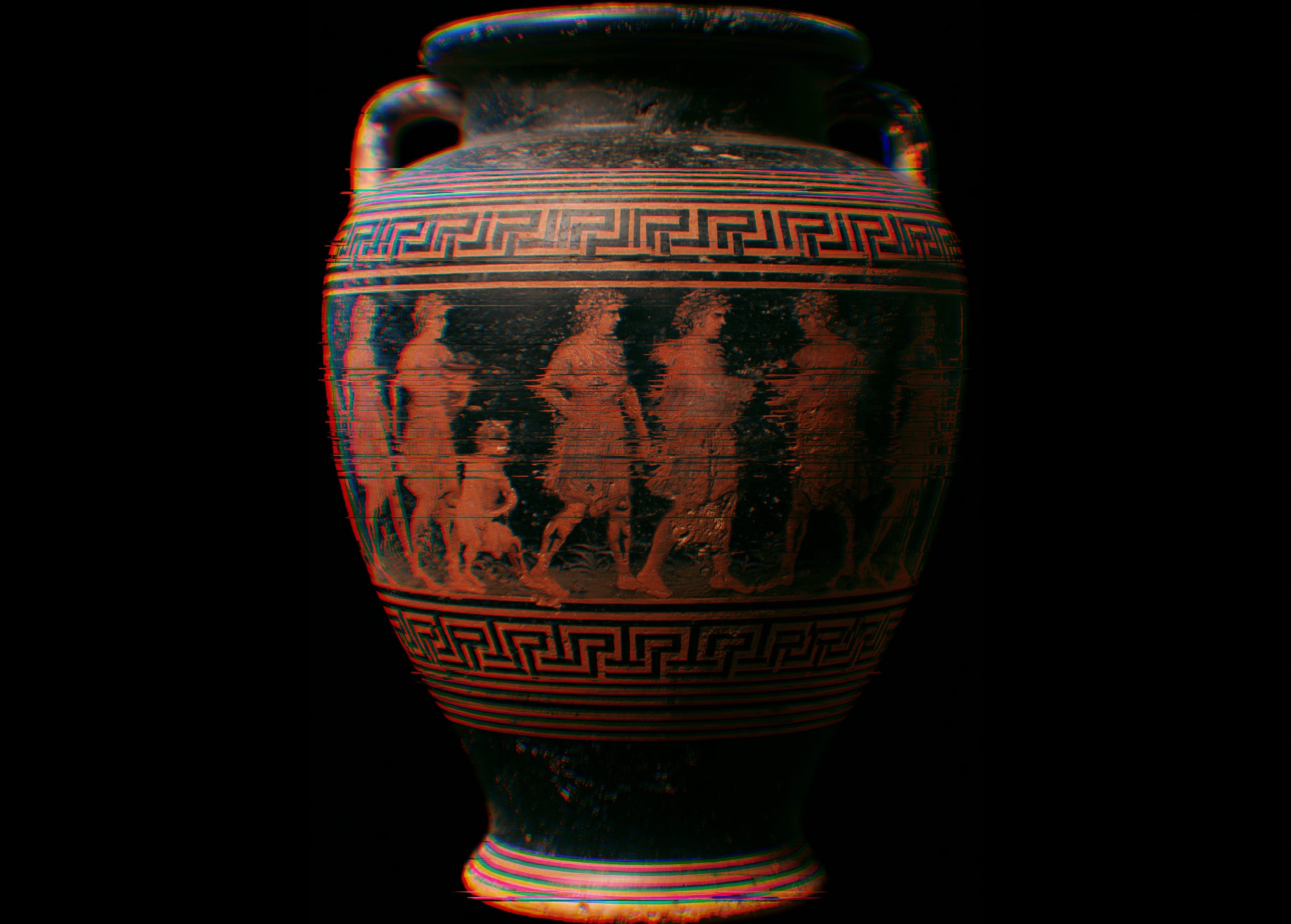
Everyone is talking about Christopher Nolan’s new adaptation of The Odyssey. In one sense, the intense conversation surrounding the movie—its hidden subtexts, choice of actors, and fidelity to the ancient Homeric epic—is great, because it has felt like the first time in quite a while that society has been united around a particular cultural moment. It’s been several years since one film has generated such far-reaching national discussion.
But on this week’s Rufo & Lomez podcast, University of Austin political philosopher Alex Priou makes the case against Nolan’s Odyssey, arguing that the movie altered key aspects of Homer’s original work in a deliberate effort to promote a tendentious moral message. The transcript has been edited for brevity and clarity.
Rufo: Alex, let’s get your cards on the table from the get-go. You watched the film this week. What was your immediate takeaway? And, as you have had a little time to think about it, has your opinion on the film changed?
Priou: I’ll put my cards on the table. People have joked that the film’s a bit of a Trojan horse, and I walked away feeling very much like it was. The film took one of the primary texts of the Western tradition and shoehorned the core of it into modern secular morality.
People have come away with very different takes; some have seen Christian elements in the film. But I think it’s fundamentally a progressive movie. It’s starting from the beginning of the Greeks; it has nods to Christianity but then to the secularization of Christianity.
I think the clearest sign of this is that the movie tells us that Odysseus sails off into the unknown West. And I think he’s giving a commentary that misappropriates the West’s roots in favor of contemporary progressive morality.
